
Policy & Systems
Building a Statewide Movement for Afterschool Access
Building a Statewide Movement for Afterschool Access
How Michigan Scaled Out-of-School-Time Investment from $0 to $135 Million by Aligning Policy, Providers, and Youth Voice
This story is a part of our 2025 annual report. Photos courtesy of the Michigan Afterschool Partnership (MASP).
Before-school, afterschool and summer programs give young people opportunities to learn new skills, explore their interests and careers, and grow outside the school day. For many young people, these experiences can shape what they believe is possible for their future.
Yet only a few years ago, Michigan had no sustained, dedicated investment in these programs. Across Detroit and the state, community organizations were already creating these opportunities for young people, but demand far exceeded youth access.
Many out-of-school time (OST) programs relied on short-term funding, and smaller, community-rooted organizations often lacked the infrastructure to navigate complex grant systems. That instability made it difficult for programs to retain staff, plan, and ensure young people had consistent access to high-quality growth opportunities.
Research could demonstrate the unmet need, but turning it into lasting change required more than a budget request. It required a statewide movement grounded in the experiences of program providers, families, and young people.
The Michigan Afterschool Partnership (MASP), which works to expand OST statewide, and the Youth Development Resource Center (YDRC), which strengthens youth-serving organizations, are two of The Skillman Foundation’s grant partners that played complementary roles in expanding public funding and access. MASP connected research, communications, policy advocacy, and a network of partners, while YDRC worked closely with providers to connect them to state funding, gather insights and data, and support advocacy. Together with partners statewide, they connected community experiences to policy, with YDRC and other local partners surfacing what providers and youth were experiencing and MASP translating those insights into statewide advocacy.
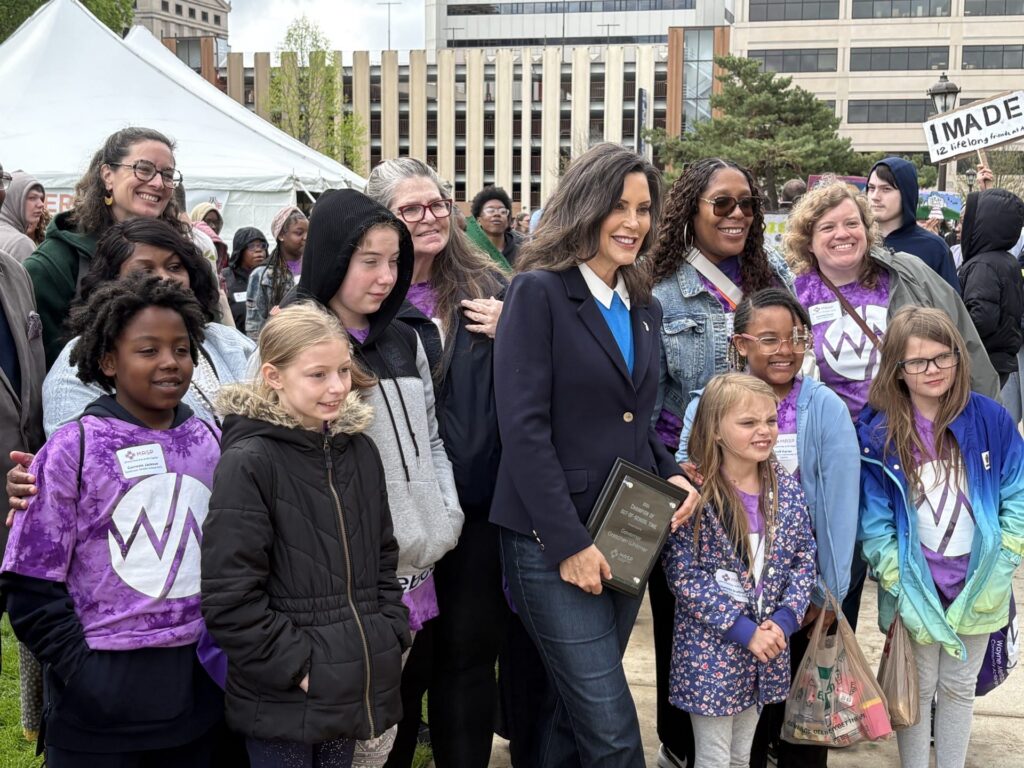
Yet insights and policy arguments can only go so far. To build support, lawmakers needed to hear directly from the people in their communities who relied on these programs.
“It’s one thing for me to be out there and talk about how great these programs are,” said Erin Skene-Pratt, executive director of MASP. “But policymakers also really needed to be hearing from their constituents in order to effect the funding changes we’ve seen in recent years. When they began hearing from local program providers, parents, and youth about why OST is important for their communities, a lightbulb went on. Policy leaders now understand the importance of OST in a different way and they’re actively doing something to expand it.”
That has meant creating opportunities for lawmakers to see programs firsthand and hear directly from young people. At MASP’s annual Capitol Day, more than 300 of the nearly 600 participants were young people who met with lawmakers and shared what afterschool programs meant in their lives.
The combination of research, relationships, advocacy, and community voice has helped build policymaker support. In Fiscal Year 2025, state investment reached $57 million, and in 2025 an increase to $75 million was approved for the following fiscal year. With this growing momentum, Michigan has now reached a historic $135 million appropriation for before-school, afterschool, and summer programming.
Securing state funding was only part of the challenge. Work had to be done to ensure those dollars reach community organizations, including smaller providers that historically faced barriers to funding or navigating public grant systems.
That is where YDRC’s role continues to complement the statewide work. YDRC works directly with organizations to help them navigate grant writing, licensing, administrative requirements, and program quality. Because of organizations on the ground like YDRC helping program providers apply for funding, grant requests have consistently exceeded the amount of grant funds available, showing demonstrated need that has helped the state budget grow.
More consistent state investment is also helping strengthen youth development as a professional field.
“I am most proud that, because of consistent funding, high-quality programs are fostering expanded careers for people who work with young people,” said Poonam Borah, executive director of YDRC. “If we have high-quality organizations that are deeply rooted in providing what young people actually want, and we have professionals who consider youth development a sector, and not just something they do in the summer, then that is an achievement.”
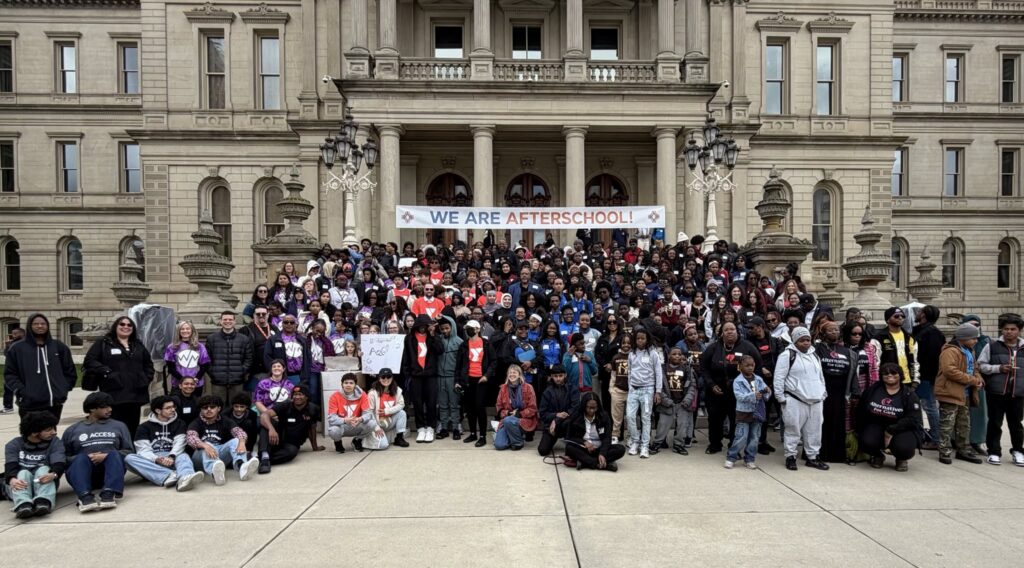
For Borah, the ultimate measure is what that stability means for young people.
“Ultimately, a young person’s life should not be defined by the ZIP code they are in,” Borah said. She pointed to the mentors, arts programs, career exploration, relationships, and other opportunities reliable funding can make accessible to young people in every community.
For The Skillman Foundation, this work demonstrates what education policy and systems change can look like when the people closest to youth help identify the need, shape solutions, and influence policy. It reflects the Foundation’s People Powered Education approach: connecting community knowledge with decision-making to create lasting change.
Michigan’s historic rise in OST investment offers a broader lesson in systems change: statewide coordination is strongest when connected to community-rooted leadership. Sustaining progress and this community connection will be essential to turn public investment into lasting opportunities for young people across Michigan.