Blog
Another attack on DEI, and what we have to say about it
Families need an education system that reflects them, responds to them, and is accountable to them. This is why Detroiters fight hard for practices of diversity, equity, inclusion, and accessibility.
Over the past decade, they’ve made significant progress. The results: a growing sense of self-determination and belonging, and rising academic outcomes. A 2020 survey of Detroit youth found that the overwhelming majority, 92%, felt high levels of optimism about their own future, and 85% felt they were able to determine their future. Last year, Detroit Public School Community District third graders reached an 11-year high on M-STEP reading scores, and high schoolers graduated at the highest rate yet.
DEI under attack, again
When the new federal presidential administration took power in 2025, it made swift moves to tamp down diversity, equity, inclusion, and accessibility. The White House issued the executive order “Ending Illegal Discrimination And Restoring Merit-Based Opportunity” and began accusing school districts, universities, nonprofits, and charitable foundations (among others) of engaging in “illegal DEI.”
The presidential administration is now trying a new approach: changing the certification requirements for recipients of federal funds. If the changes are adopted, organizations that apply for federal funding will have to comply with the presidential administration’s efforts to ban diversity, equity, inclusion, and accessibility practices.
Under the proposal, funding recipients would have to agree to the following:
- “Will comply with the U.S. Constitution, all Federal laws, and relevant executive orders prohibiting unlawful discrimination on the basis of race or color in the administration of federally funded programs,” including those “labeled as” DEI or DEIA programs.”
- “Will not knowingly bring or attempt to bring to the United States, transport, conceal, harbor, shield, hire, or recruit for a fee an illegal alien; and will not induce an alien to enter or reside in the United States with reckless disregard of the fact that the alien is illegal.”
- “Will not fund, subsidize, or facilitate violence, terrorism, or other illegal activities that threaten public safety or national security.”
- “Will comply with the U.S. Constitution, all Federal laws, and relevant Executive branch guidance in promoting the freedom of speech and religious liberty in the administration of federally-funded programs.”
The presidential administration would have control over interpretating what is lawful or unlawful regarding diversity, equity, inclusion, accessibility, immigration, public safety, and religious liberty. The anti-DEIA certification includes a list of examples that may trigger a violation, including the use of cultural competence requirements, narratives about overcoming obstacles, and diversity statements.
In addition to the potential loss of federal funds, if the administration decides a funding recipient is out of compliance, it could pursue civil and even criminal penalties. The draft certification spells this out:
“By submitting this certification, I, [AUTHORIZED OFFICIAL], am attesting to the accuracy of the certifications and representations contained herein. I understand that I may be subject to criminal prosecution under Section 1001, Title 18 of the United States Code or civil liability under the False Claims Act if I misrepresent [ORGANIZATION NAME] by providing false, fictitious, or fraudulent information to the U.S. Government.”
Read the draft certification in full
See an overview of the changes by EducationCounsel
What it means for education
If enacted, these proposed changes would affect educational institutions and providers that receive federal funds, including the U.S. Department of Education, state agencies, school districts, Head Start providers, nonprofit organizations, and higher education institutions.
Supporting students means recognizing barriers and creating learning environments where every child can succeed. These efforts are both necessary and lawful. Under the proposal, it’s unclear how this work would be judged or whether it would expose organizations to legal risk. As a result, administrative burden would grow at a time when teachers are already stretched, and organizations may scale back important work to avoid potential penalties.
And the biggest impact of all will be felt not by institutions but by people. When organizations step back, children and families are left without the support and opportunities that lead to bright futures.
What we have to say about it
Below is a public comment filed by The Skillman Foundation. It challenges the legality of the proposed requirements—and, what’s more, the damage this could cause to students and communities.
Public comments are being collected on regulations.gov through March 30. The banner on this government website reads “Your Voice in Federal Decision Making.” Let’s hope this process lives up to that promise.
Public submission by The Skillman Foundation
The Skillman Foundation appreciates the opportunity to provide comments on the proposed changes to the System for Award Management (SAM) registration requirements.
For more than 65 years, The Skillman Foundation has worked with families, community organizations and nonprofits, educators, and policymakers to strengthen public education and expand opportunities for children and youth. Our work is grounded in a simple idea: when students, families, and educators have a real voice in shaping education, the system works better. When that voice is present, schools become more than institutions; they become places where young people are seen, supported, and able to imagine a future for themselves.
Public education depends on strong relationships between schools and families, community organizations and public agencies, and policy and lived experience. This work relies on trust, clear expectations, and consistent rules. When those conditions hold, people can focus on helping young people succeed.
Supporting children is not a partisan issue. There is broad agreement that students deserve safe, supportive, and high-quality learning environments, and federal policy should make it easier for communities to deliver that. When the conditions that support young people are weakened, it’s not policy alone that is affected—it’s possibility.
We are concerned that the proposed changes to SAM certifications move in the opposite direction. They create confusion where clarity is needed and risk where stability is important. These effects would go beyond compliance and impact the systems that support students and families. These risks are clear and can be seen in the following key issues:
1. The proposed changes exceed federal authority and undermine established law
The proposed certifications use the grant process to add new policy requirements that are not authorized by law.
The executive branch does not have the authority to impose broad conditions on all applicants or to require compliance beyond what Congress has enacted. In this case, the proposal uses the certification process to introduce new requirements that are not based in law. Courts have already blocked similar actions by federal agencies.
This is not just a technical issue. It changes who can participate in federal programs by requiring organizations to agree to unclear, possibly changing standards. That kind of uncertainty makes it harder for qualified organizations to participate.
2. The certifications are vague and create unworkable compliance risk
The proposal uses broad and unclear terms related to diversity, equity, and inclusion, immigration, and public safety without explaining what they mean in practice.
For schools and youth-serving organizations, this creates real problems. Supporting students often includes identifying barriers, reaching underserved groups, and creating environments where all students can succeed. These are normal and lawful practices.
Under the proposal, it’s unclear how this work would be judged or whether it could create legal risk. As a result, organizations may scale back important work just to avoid possible penalties. Additionally, spending more time trying to understand unclear rules also takes time and resources away from students and families.
3. The proposal creates a chilling effect on participation in federal programs
Federal programs depend on schools, nonprofits, and community groups working together to serve students and families. The proposed certifications add legal and financial risks that may cause some organizations to step back, not because they are unwilling to do the work, but because the risks are too unclear.
Participation may shrink based on who is willing to accept that risk, rather than who is best able to serve. In education, where partnerships are essential, this matters. When organizations step back, students and families feel the impact.
4. The proposal risks disrupting education systems and community infrastructure
These changes would affect more than individual organizations. They would impact the systems that support children and families.
Education depends on coordination. Schools and community partners work together to provide tutoring, enrichment, family support, and other services, often with help from federal funding. If organizations become more cautious or partnerships weaken because of unclear rules, the system becomes less effective. This could mean fewer partnerships, program delays, and greater administrative burden at a time when educators are already stretched.
5. The ultimate impact will be felt by communities and students
The biggest impact will not be on institutions, but on the people they serve.
When organizations limit their work or shift resources toward compliance, fewer supports reach students and families. Over time, this means fewer opportunities for young people. And for many young people, those opportunities aren’t temporary. They shape the path of what comes next.
Strong outcomes depend on trust, coordination, and the ability to respond to community needs with clarity. Policies that create uncertainty shift the focus away from students and toward risk management, at a time when attention is needed elsewhere.
Our Recommendation
The Skillman Foundation respectfully urges the General Services Administration to withdraw the proposed revisions to the SAM certification requirements.
Any changes to federal funding requirements should be clearly based in law, provide clear guidance, avoid confusion, and support, not disrupt, the systems that serve communities.
We appreciate the opportunity to provide input and welcome continued dialogue on how federal policy can strengthen education systems and the partnerships that support them. The decisions we make about systems today shape the possibilities available to young people tomorrow.
No matter where we live or what we believe, we all want young people to succeed, and federal policy should make that work easier, not harder.
Onward,
Angelique
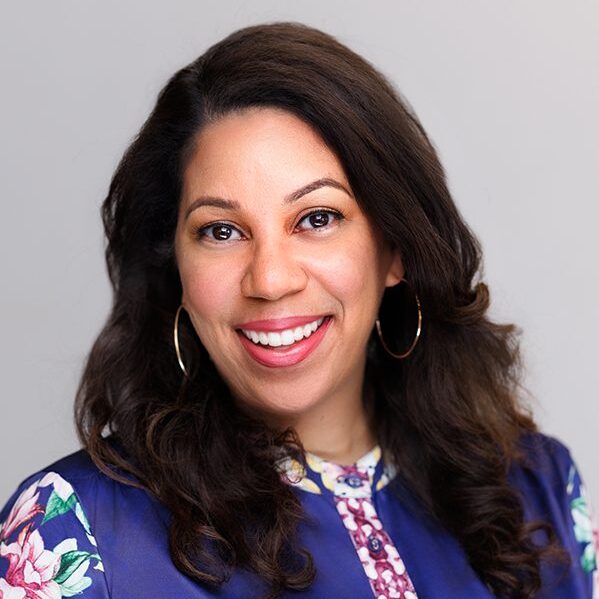
Angelique Power
Angelique Power is the president and CEO of The Skillman Foundation.